The Story of Oud: Why Agarwood Captivated Perfumers
Discover how a rare tree, a natural defence mechanism, and centuries of tradition created one of the world's most treasured fragrance ingredients.
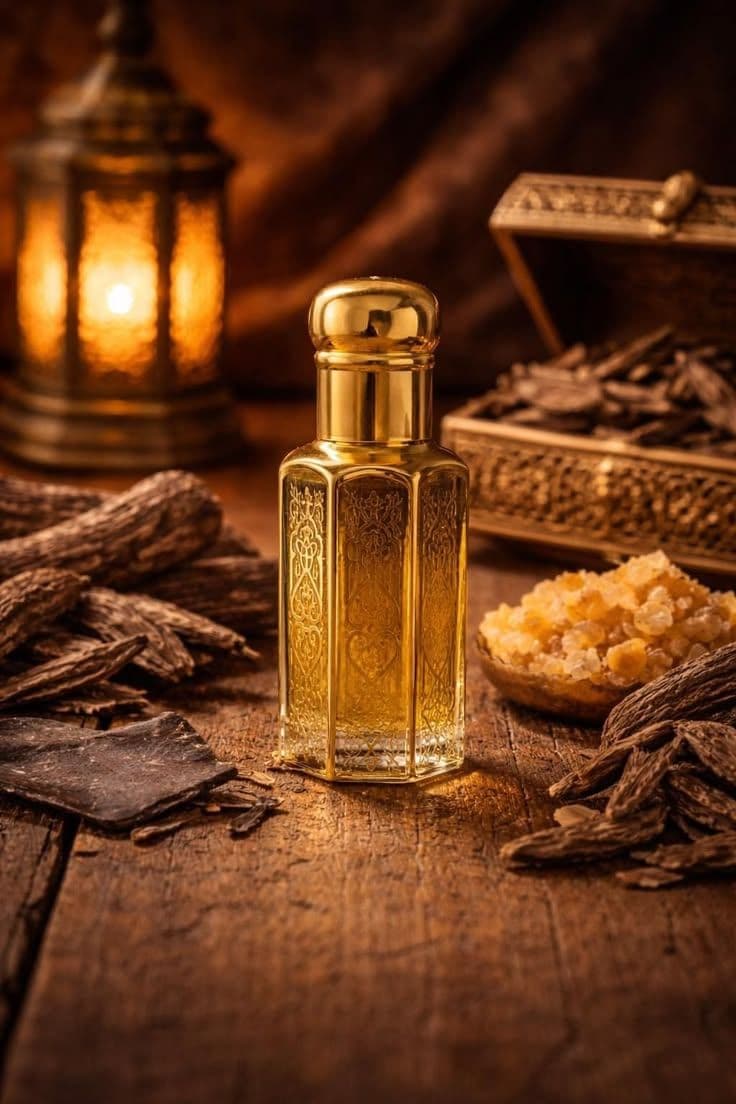
Few fragrance ingredients inspire as much fascination as oud. Often called liquid gold by perfumers, oud has been prized for centuries across the Middle East, South Asia, and Southeast Asia for its rich, complex aroma and remarkable rarity. It appears in luxury perfumes, traditional attars, incense, and religious ceremonies, yet many people don't realise that oud begins its journey in an ordinary-looking tree.So, what makes this wood one of the most valuable natural fragrance materials in the world?
What Is Oud?
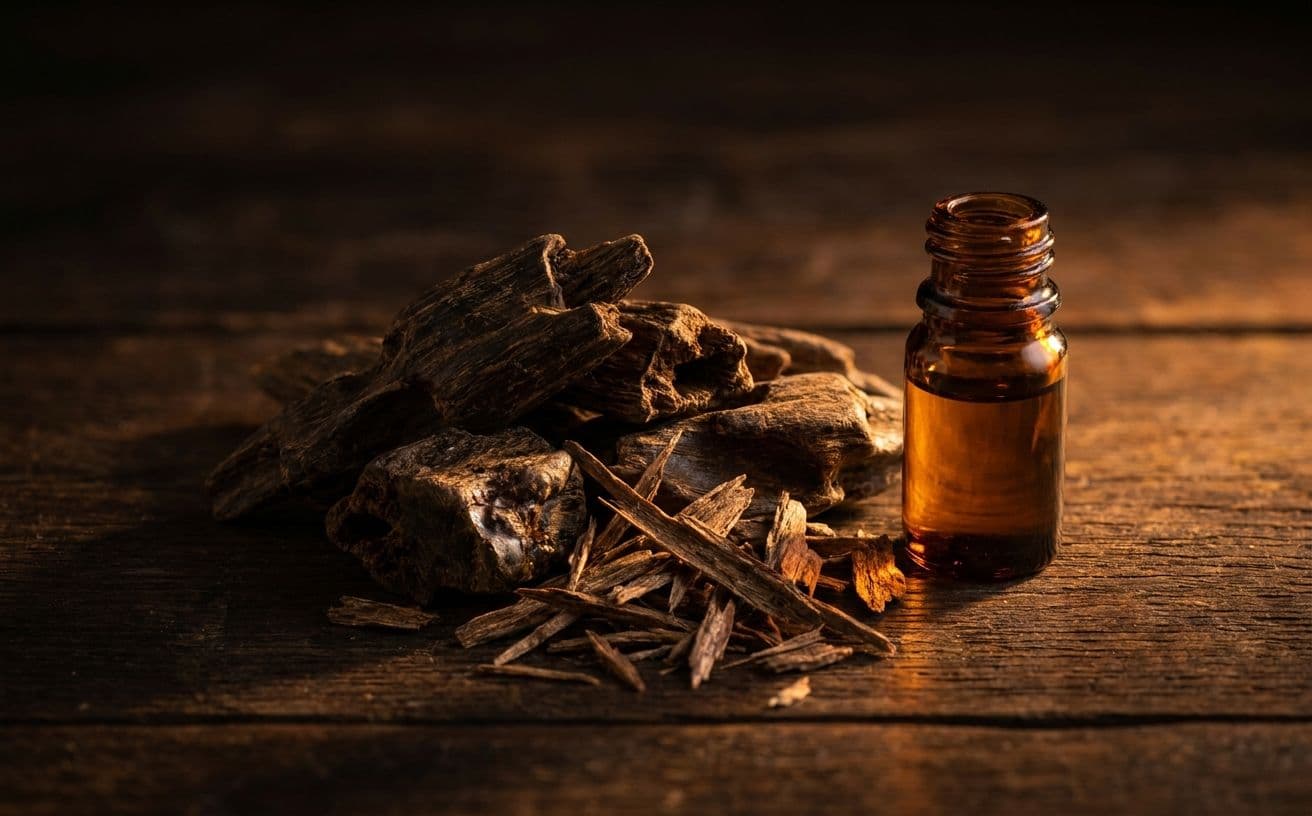
Oud, also known as agarwood, comes from trees belonging to the Aquilaria genus, which grow naturally in countries such as India, Bangladesh, Thailand, Vietnam, Cambodia, Malaysia, and Indonesia.Healthy Aquilaria wood has very little fragrance. Oud forms only when the tree is naturally wounded or infected by certain microorganisms. In response, the tree produces a dark, aromatic resin that surrounds the damaged area as a natural defence mechanism.Over many years, this resin transforms ordinary wood into the dense, richly scented material known as agarwood—or oud.
Why Is Oud So Expensive?
One reason oud commands such high prices is its rarity. Not every Aquilaria tree produces resin, and even among infected trees, only a small portion develops high-quality agarwood.The process also takes years, sometimes decades. Harvesting, grading, and distilling oud require exceptional skill, while sustainable cultivation has become increasingly important as wild Aquilaria populations have declined.These factors combine to make genuine oud oil one of the world's most valuable natural fragrance ingredients.
What Does Oud Smell Like?
Describing oud is surprisingly difficult because no two pieces smell exactly alike.Depending on its origin and the way it is distilled, oud may reveal woody, smoky, leathery, earthy, sweet, spicy, balsamic, or subtly fruity notes. Some varieties are deep and animalic, while others are smooth, refined, and surprisingly delicate.This complexity is one reason perfumers value oud so highly. It adds remarkable depth and longevity to a fragrance while evolving beautifully on the skin over time.
Why Perfumers Love Oud
Oud is more than a fragrance note—it is often the foundation of an entire compositionIts rich character blends exceptionally well with ingredients such as rose, saffron, sandalwood, amber, patchouli, vanilla, musk, and spices. These combinations have become classics in both traditional attars and contemporary fine perfumery.Because oud has such depth and persistence, even a small amount can transform the structure of a perfume, giving it warmth, richness, and a luxurious signature.
Is Every Oud Fragrance Made with Real Oud?
Not necessarily.Because natural oud is rare and expensive, many modern perfumes use nature-identical aroma molecules or carefully crafted oud accords to recreate its distinctive character. These alternatives allow perfumers to produce consistent fragrances while reducing pressure on natural agarwood resources.Neither approach is inherently better—the quality depends on the craftsmanship behind the fragrance.
Why Oud Continues to Fascinate the World
For centuries, oud has symbolised craftsmanship, tradition, and luxury. From ancient temples and royal courts to modern perfume houses, its unmistakable aroma has remained one of the most respected materials in perfumery.What makes oud truly remarkable isn't only its rarity. It's the extraordinary journey from an ordinary tree to one of the world's most treasured fragrance ingredients—a transformation created by nature itself.That's why oud continues to captivate perfumers and fragrance lovers alike. It isn't simply a scent.It's a story written in wood, resin, time, and tradition.