Woody & Earthy Essential Oils: Cedarwood, Vetiver, Frankincense
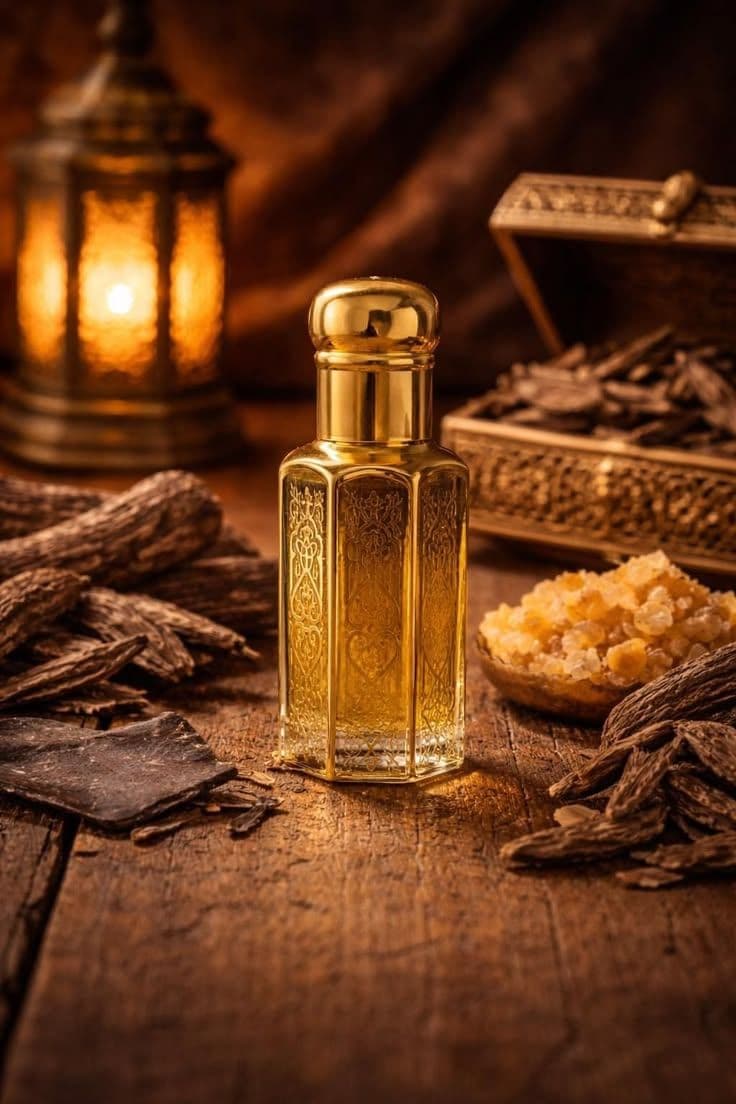
If floral oils are a fragrance’s heart, woody and earthy oils are usually its base — the deep, long-lasting notes that anchor a blend and are often still detectable hours after the lighter top notes have faded. Here is how the main woody and earthy oils differ.
Cedarwood
Dry, warm, and pencil-shaving woody — one of the most versatile base notes in perfumery and soap making because it is stable, affordable relative to rarer woods, and blends easily with almost anything. Cedarwood Oil is a common anchor for both masculine-leaning fragrances and rustic, natural-style soap bars.
Vetiver
Deep, earthy, and slightly smoky, with a rooty character that reads as more complex than cedarwood. Vetiver Oil, extracted from the plant’s root system rather than wood, is prized in perfumery for its long-lasting, grounding quality in a base.
Frankincense
Resinous, slightly citrusy-green, and traditionally associated with ceremony and ritual. Frankincense Oil has a lighter, more lifted character than cedarwood or vetiver despite still functioning as a grounding base note — a useful middle ground when a blend needs depth without heaviness.
Why woody and earthy notes matter in a blend
Top notes (citrus, light florals) are the first thing you smell and the first to fade; heart notes (most florals) carry the main character; base notes like these woody and earthy oils are what remains hours later and what gives a fragrance its "staying power." A blend with no base note tends to smell thin and disappear quickly.
Practical uses beyond perfumery
- Diffuser blends — a small amount of cedarwood or vetiver added to a floral blend adds warmth and depth.
- Soap making — cedarwood in particular is a reliable, stable scent-holder through the cure process.
- Massage and body oil blends — vetiver and frankincense both work well diluted into a carrier oil for a grounding evening blend.
Frequently Asked Questions
What is the difference between cedarwood and vetiver oil?
Cedarwood is dry and pencil-shaving woody, while vetiver is deeper, earthier, and slightly smoky with a rooty character. Both work as base notes, but vetiver reads as more complex and grounding.
Why do perfumes need a base note?
Base notes like cedarwood, vetiver, and frankincense are the longest-lasting part of a fragrance, giving it depth and staying power after the lighter top and heart notes fade.
Is frankincense oil good for diffusing?
Yes, frankincense is a popular diffuser choice — it has a resinous, grounding character that is lighter than cedarwood or vetiver, making it a versatile addition to floral or citrus diffuser blends.