Essential Oils for Perfumery: Building Top, Heart & Base Notes

A well-built perfume is not one smell — it is three layers unfolding over time, each fading in as the last one weakens. Perfumers call this the fragrance pyramid: top, heart, and base notes. Understanding the structure makes it much easier to build a blend that actually holds together, rather than a random mix of nice-smelling oils.
Top notes: the first impression
Top notes are what you smell in the first few minutes — light, volatile molecules that evaporate fastest. Citrus oils dominate this role: Lemon Oil, Bergamot Oil TL, and Tangerine Oil are all classic top notes, giving a fragrance its bright, immediate opening.
Heart notes: the main character
Once the top notes fade (typically 15–30 minutes in), the heart notes take over — usually florals, and usually the "main character" of the fragrance. Rose Oil, Jasmine Grandiflorum Oil, and Geranium Oil are all common heart notes, and this is usually the layer a fragrance is named or remembered for.
Base notes: what lasts
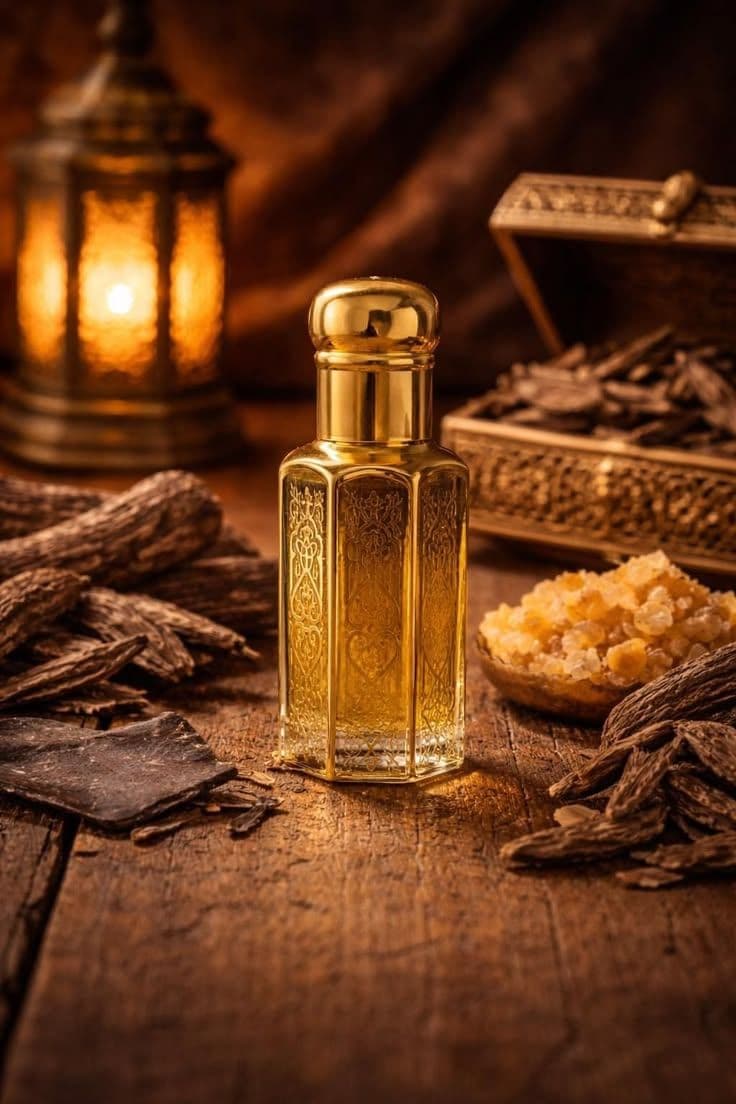
Base notes are the slowest to evaporate and the last thing left hours later — usually woods, resins, and earthy notes. Cedarwood Oil, Vetiver Oil, and Frankincense Oil anchor a composition and give it staying power — without a base note, a fragrance tends to smell thin and fades quickly.
A simple three-layer starting formula
A reasonable beginner ratio by drop count: roughly 30% top notes, 50% heart notes, and 20% base notes — test on a blotter strip and let it develop over 30 minutes before judging the final balance, since a blend smells different at each stage as the layers unfold.
Why this structure matters beyond perfume
The same top/heart/base thinking applies to diffuser blends, candles, and soap — anywhere a blend of oils is meant to smell balanced over time rather than all at once. Our homepage’s fragrance pyramid section groups popular oils by which layer they typically play, if you want a quick visual reference while building your own blend.
Frequently Asked Questions
What are top, heart, and base notes in perfumery?
They describe how a fragrance unfolds over time. Top notes are the first, lightest impression (often citrus), heart notes are the main character once the top fades (often florals), and base notes are the longest-lasting layer (often woods and resins) that anchors the whole composition.
What ratio of top, heart, and base notes should I use?
A common beginner starting point is roughly 30% top notes, 50% heart notes, and 20% base notes by drop count, then adjusted after testing on a blotter strip.
Why does my perfume blend smell different after an hour?
That is expected — top notes evaporate fastest and fade within the first 15–30 minutes, revealing the heart notes, which eventually give way to the longer-lasting base notes. A blend is meant to be judged after it has had time to develop, not immediately after mixing.