Natural vs Nature-Identical Fragrances: What's the Difference?
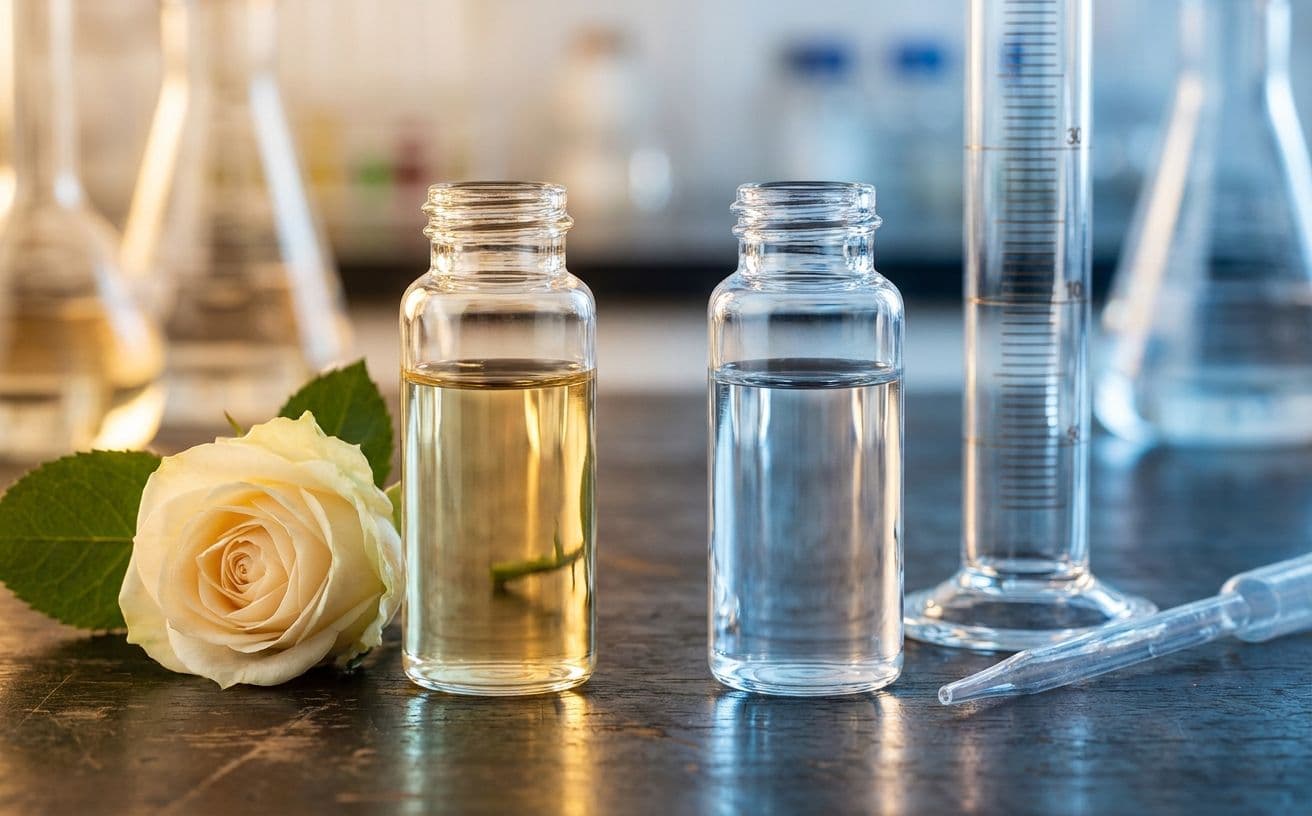
Understanding how these two types of fragrance ingredients differ—and why modern perfumery depends on both.
Natural vs nature-identical fragrances are among the most misunderstood terms in the fragrance industry. When shopping for perfumes, essential oils, or scented products, you've probably seen these labels without knowing what they actually mean. While marketing often presents them as opposites, the reality is more nuanced. Understanding the difference helps you appreciate how fragrances are created and why both types of ingredients play an important role in modern perfumery.
Natural vs Nature-Identical Fragrances Explained
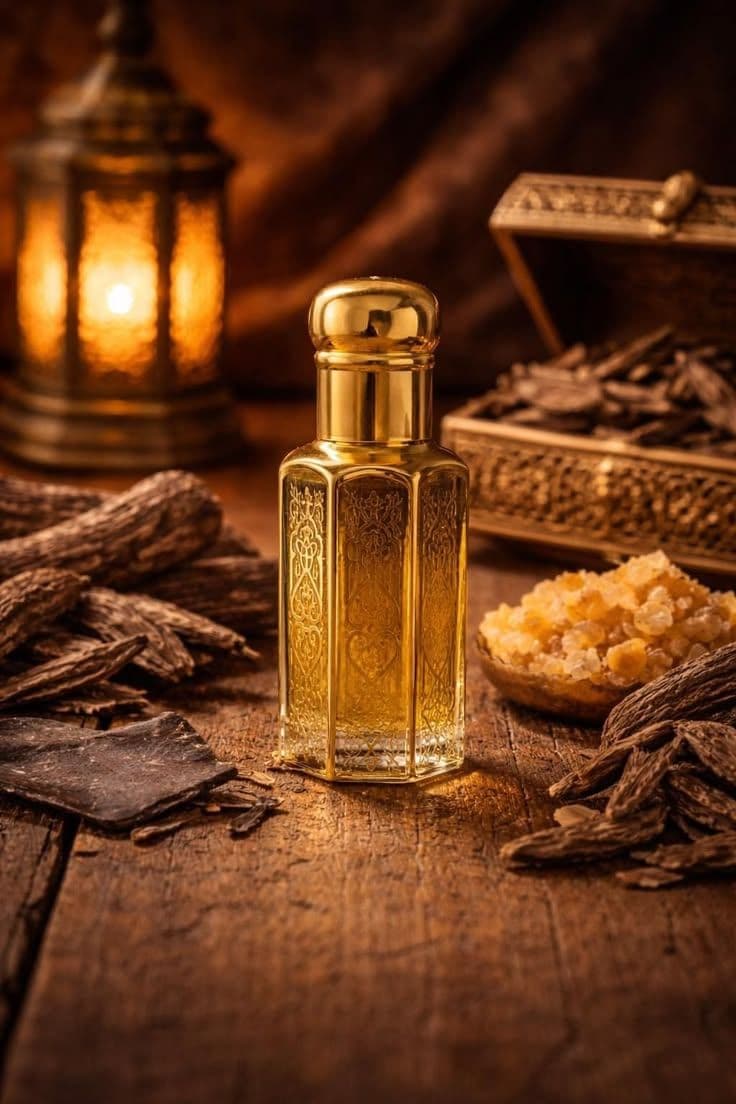
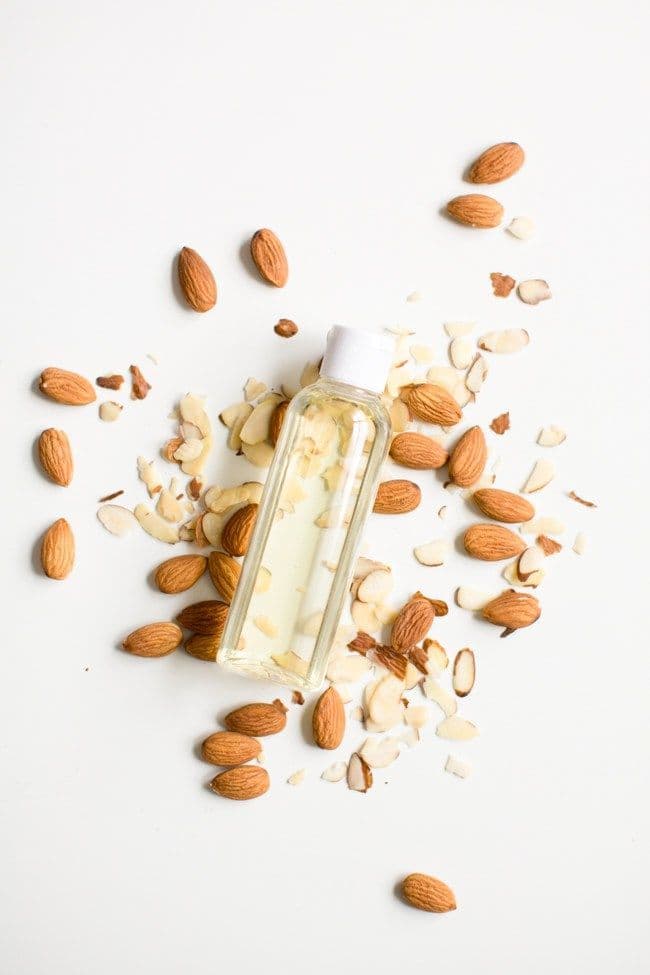
A natural fragrance is made from ingredients extracted directly from nature. Essential oils, absolutes, resins, and botanical extracts are common examples. Rose oil is distilled from rose petals, sandalwood oil comes from the heartwood of sandalwood trees, and lavender essential oil is obtained from lavender flowers.Because these materials come from plants, their aroma naturally varies from one harvest to another. Factors such as climate, soil, rainfall, and growing conditions all influence the final scent. These subtle variations are part of what makes natural ingredients unique, but they can also make it difficult to achieve perfect consistency.A nature-identical fragrance, on the other hand, contains aromatic compounds produced in a laboratory that are chemically identical to molecules found in nature. The ingredient is manufactured rather than extracted, but its molecular structure is the same as its naturally occurring counterpart.A well-known example is vanillin, the primary compound responsible for the characteristic smell of vanilla. It can be extracted from vanilla beans or produced in a laboratory. In both cases, the molecule is chemically identical, meaning our noses detect it in exactly the same way.
Why Perfumers Use Both
The discussion around natural vs nature-identical fragrances isn't about deciding which is superior. Most professional perfumers use both because each offers different advantages.
Natural ingredients provide richness, complexity, and subtle variations that are difficult to reproduce completely. Nature-identical ingredients deliver consistency, stability, and access to fragrance materials that may be rare, expensive, or environmentally sensitive when sourced directly from nature.
By combining the two, perfumers can create fragrances that are expressive, reliable, and consistent from one bottle to the next.
Which Is Better?
There is no universal winner in the natural vs nature-identical fragrances debate because they serve different purposes.
If you value botanical authenticity and the natural complexity of plant extracts, natural ingredients may appeal to you. If consistency, stability, affordability, and sustainability are priorities, nature-identical ingredients often provide significant advantages.
Rather than replacing one another, the two work together. Many of the world's finest fragrances rely on carefully balanced combinations of natural extracts and nature-identical aroma molecules to achieve both artistic expression and reliable performance.
Final Thoughts
The next time you read a fragrance label, you'll know that natural vs nature-identical fragrances is not a question of good versus bad. It is simply a comparison of two different ways of creating beautiful scents.
Whether a fragrance comes from a flower, a laboratory, or a blend of both, what ultimately matters is the quality of the ingredients, the skill of the perfumer, and the experience the fragrance creates for the person wearing it.