How Essential Oils Are Extracted: Steam Distillation, Solvent Extraction & Cold Pressing
Every essential oil starts as raw plant material — petals, wood, peel, root — and the method used to pull its aromatic compounds out genuinely shapes the final oil’s character, yield, and cost. Here are the three extraction methods you will actually encounter on a specification sheet.
Steam distillation
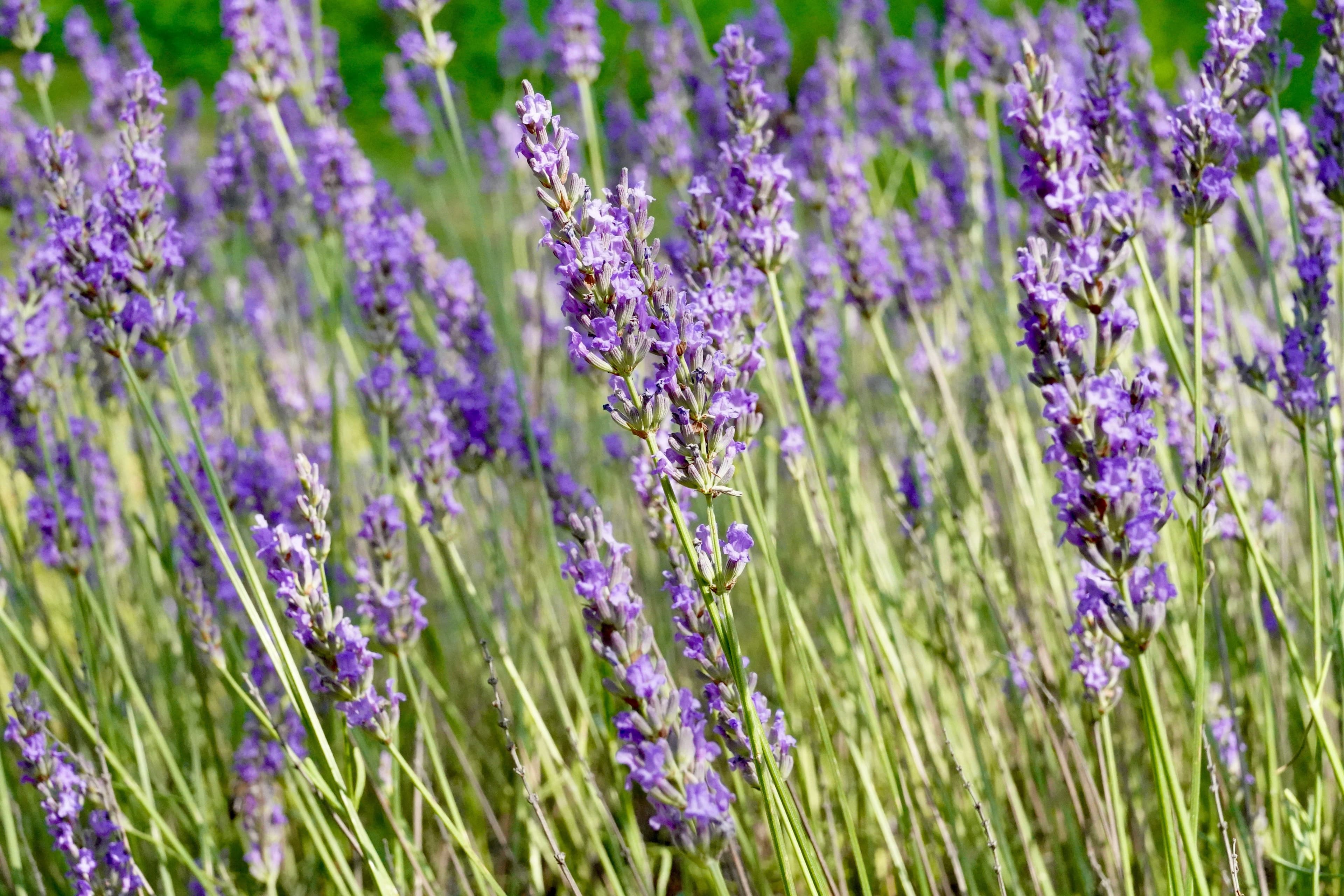
The most common method, used for the majority of essential oils on the market. Steam is passed through the plant material, and the heat releases aromatic compounds that travel with the steam into a condenser, where the oil and water separate. Lavender Oil and most leaf, flower, and wood oils are produced this way — it is efficient, well understood, and produces a genuinely "whole" representation of the plant’s aroma.
Solvent extraction
Used for delicate materials that steam distillation would damage or that yield too little oil to be practical — certain flowers in particular. A solvent pulls the aromatic compounds out at low temperature, producing a concentrated extract (an "absolute" in industry terms) that often has a richer, truer-to-life scent than a distilled version of the same plant. Rose Oil is commonly produced via steam distillation or solvent extraction depending on the batch and desired character — both methods are legitimate, and the specification sheet will note which was used.
Cold pressing (expression)
Used specifically for citrus peel oils. Rather than heat or solvents, the peel is mechanically pressed to release the oil glands just beneath the surface — a comparatively simple, low-heat process that preserves the oil’s bright, natural citrus character. This is why citrus oils tend to have a genuinely "fresh peel" aroma rather than a cooked or processed note.
Does extraction method affect quality?
Not in a simple "better or worse" sense — the right method depends on the plant material. What matters more is whether the extraction was done properly and the oil handled correctly afterward. A real specification sheet listing the extraction method used is a sign of a supplier being transparent about how their product was actually made, rather than a generic "100% pure" claim with no detail behind it.
Where to check this for a specific oil
Every product page in our catalog lists the real extraction method under its specifications — alongside botanical name, plant part used, and origin — so you can see exactly how a given oil was produced before buying.
Frequently Asked Questions
What is the most common essential oil extraction method?
Steam distillation is the most common method, used for the majority of essential oils including most leaf, flower, and wood oils.
Why are citrus oils cold-pressed instead of distilled?
Citrus peel oils sit in glands just beneath the peel surface and can be released through mechanical pressing (expression) without heat, which preserves their bright, fresh character better than distillation would.
What is a solvent-extracted "absolute"?
An absolute is a concentrated extract produced using a solvent rather than steam, typically used for delicate flowers that steam distillation would damage or that yield very little oil otherwise. Absolutes often have a richer, more true-to-life scent.