Floral Essential Oils Guide: Rose, Jasmine, Ylang Ylang & More
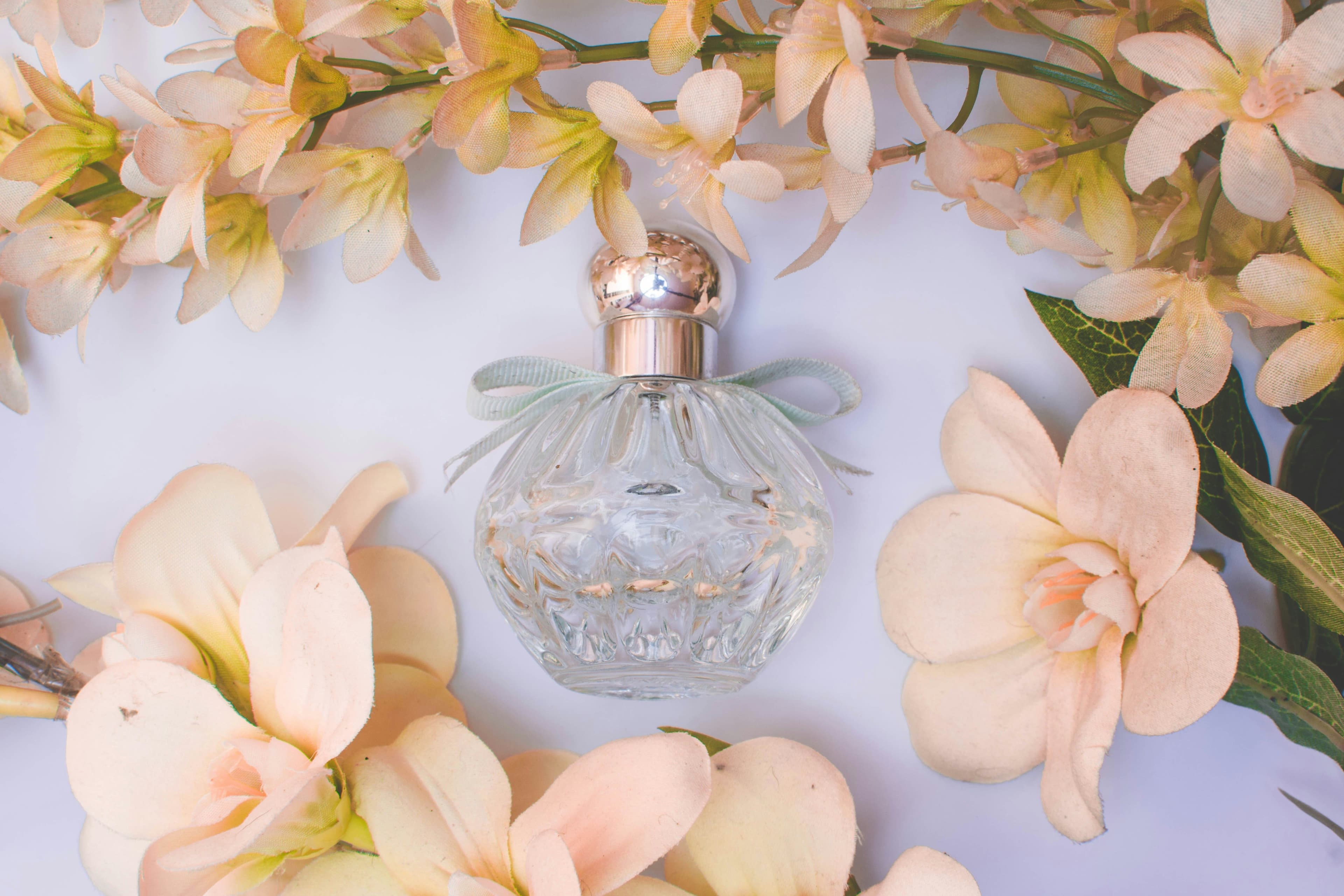
Floral essential oils are the backbone of classic perfumery — the "heart" of a fragrance, most of the time. But florals are not interchangeable; each has a genuinely different character, and knowing the difference matters if you are formulating rather than just picking whichever bottle smells nicest on its own.
Rose
Rich, romantic, and unmistakably luxurious. Rose Oil, extracted from Rosa damascena petals, is one of the most treasured florals in perfumery — a genuinely elegant note that blends especially well with sandalwood-style woods, jasmine, and warm oriental notes.
Jasmine
Deep, heady, and intensely floral — jasmine is often described as one of perfumery’s most "complete" florals because it carries both sweetness and a subtle animalic depth. Jasmine Grandiflorum Oil pairs beautifully with rose for a classic double-floral heart.
Ylang Ylang
Exotic and creamy, with a tropical sweetness that reads warmer and less "rosy" than rose or geranium. Ylang Ylang Oil is a common choice when a blend needs richness without leaning fully into a rose-dominant profile.
Geranium
Rosy and green at once — geranium is sometimes used as a more affordable rose-adjacent note, though it has its own distinct herbaceous edge rather than being a true substitute. Geranium Oil also blends well outside pure florals, into wellness and skincare-leaning formulations.
Neroli
Bright and slightly bitter-sweet — neroli (from orange blossom) sits at the crossover between floral and citrus, and is a classic component of eau de cologne structures. Neroli Oil adds lift to a heavier floral blend without turning it fully citrus.
Building a simple floral blend
A reasonable starting pairing for a first floral blend: rose as the heart, a small amount of ylang ylang for warmth, and a touch of geranium to add a green, natural edge — adjust ratios by scent-testing on a blotter strip before committing to a full batch.
Frequently Asked Questions
What is the difference between rose and geranium essential oil?
Both have a rosy character, but geranium has a more herbaceous, green edge while rose is a richer, more purely floral and romantic note. Geranium is sometimes used as a more affordable rose-adjacent ingredient, not a direct substitute.
Which floral essential oil is best for perfumery?
It depends on the composition — rose and jasmine are classic "heart note" florals, ylang ylang adds warmth and richness, and neroli bridges floral and citrus for lift. Most floral perfumes blend two or more together.
Can floral essential oils be used in skincare?
Yes, many florals like rose and geranium are common in skincare formulations, always diluted into a carrier oil or base product rather than applied undiluted.