How to Use Essential Oils in Soap Making
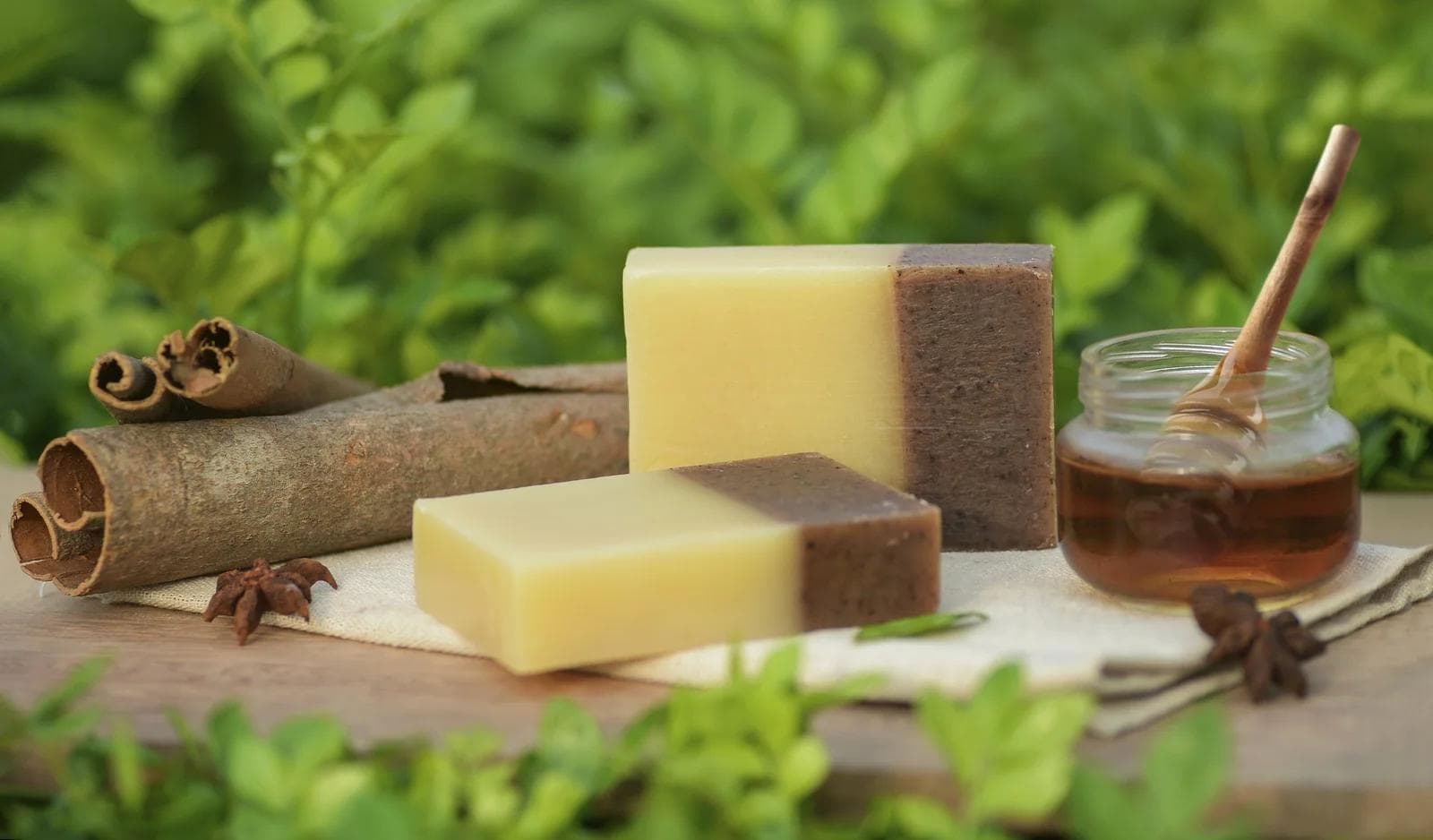
Essential oils are one of the most common ways soap makers scent a cold-process or melt-and-pour batch without reaching for synthetic fragrance oils. But not every essential oil behaves the same way once it meets soap batter — some hold their scent through curing, others fade within weeks, and a few can discolor or accelerate trace if you are not expecting it.
Why soap making is different from other uses
Soap batter is alkaline while it saponifies, and it also traps fragrance inside a solid bar rather than releasing it into open air the way a diffuser does. That combination means an oil’s scent strength and its chemical stability under alkaline conditions both matter more here than they do for a bath blend or a body mist.
Essential oils that tend to hold up well
- Lavender Oil — a soap-making staple; its soft floral-herbaceous note survives saponification reliably.
- Cedarwood Oil — a heavier, woody molecule that resists fading through cure time.
- Tea Tree Oil — popular in facial and body bars for its clean, medicinal-green aroma.
- Geranium Oil — a rosy-green floral that blends well with both citrus and woody bars.
A practical starting dosage
Most soap makers start around 3 to 5% essential oil by weight of the total oils in the recipe, then adjust up or down based on how strong the cured bar smells after a few weeks — scent strength always drops during the 4 to 6 week cure, so a bar that smells strong on pour day is not a reliable guide.
A note on lighter, brighter oils
Citrus and top-note oils — lemon, lime, bergamot — are popular for their bright smell but are also the most prone to "scent fade" in cold-process soap because their lighter aromatic compounds evaporate over cure time. If you want a citrus-forward bar, expect to blend it with a heavier fixative note (cedarwood or patchouli-style woods) rather than relying on citrus alone. See our guide to understanding essential oil grades for how refined citrus oils like Lemon Oil TL behave differently from the standard grade.
Safety basics specific to soap making
Always weigh essential oils rather than measuring by drops for consistency, keep total fragrance load within safe skin-contact limits for a leave-on or rinse-off product, and always work with proper lye safety equipment — essential oil handling doesn’t change the core safety rules of cold-process soap making.
Frequently Asked Questions
How much essential oil should I use per pound of soap?
Most soap makers use 3 to 5% essential oil by weight of the total oils in the recipe as a starting point, then adjust after seeing how the cured bar smells 4 to 6 weeks later.
Do essential oils fade in cold-process soap?
Yes, to varying degrees. Lighter top-note oils like citrus fade fastest during the cure, while heavier woody and floral oils such as cedarwood or lavender tend to hold their scent longer.
Can I use any essential oil in soap?
Most essential oils can be used in soap in appropriate amounts, but some are stronger skin irritants than others and some fade quickly. It’s worth researching each oil’s typical usage rate in soap specifically before committing a full batch to it.